
 Keep an eye on how often your child eats, as well as what she eats.
Your child’s diet is important in preventing a cavity. Remember: every time we eat or drink something that contains sugar or starches, bacteria in our mouth use the sugar and starch to produce acids. These acids begin to eat away at the tooth’s enamel.
Our saliva can help fight off this acid attack. But if we eat frequently throughout the day—especially foods and drinks containing sugar and starches—the repeated acid attacks will win the tug of war, causing the tooth to lose minerals and eventually develop a cavity.
That’s why it’s important to keep an eye on how often your children eat as well as what they eat.
Tooth-friendly tips:
- Limit between-meal snacks. This reduces the number of acid attacks on teeth and gives teeth a chance to repair themselves.
- Save candy, cookies, soda, and other sugary drinks for special occasions.
- Limit fruit juice. Follow the Daily Juice Recommendations from the American Academy of Pediatrics.
- Make sure your child doesn’t eat or drink anything with sugar in it after bedtime tooth brushing. Saliva flow decreases during sleep. Without enough saliva, teeth are less able to repair themselves after an acid attack.
If you, your family or friends need dental care, we would be honored to provide you with state-of-the-art dental care in our modern dental practice. Refer someone you love to someone you trust!
Presented as a service to the community by Doctors Hoover and Yanda,
39 Milford Drive, Hudson, Ohio 44236. 330-650-0360. www.drshooverandyanda.com
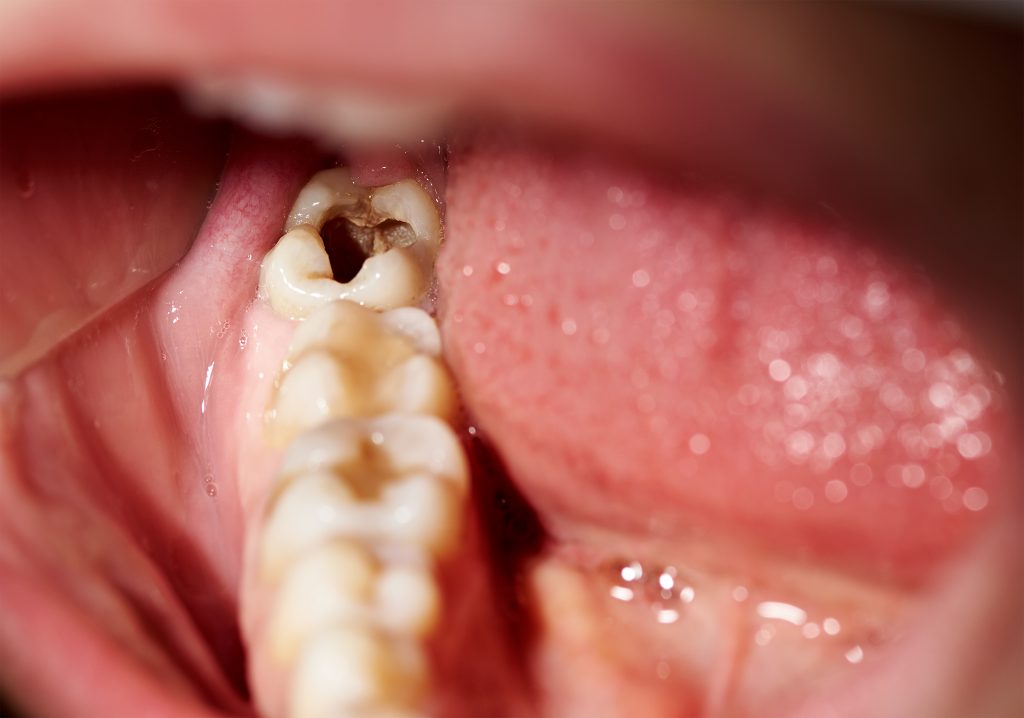
 Fluoride is a mineral that can prevent tooth decay from progressing. It can even reverse, or stop, early tooth decay.
 Our mouths are full of bacteria. Hundreds of different types live on our teeth, gums, tongue and other places in our mouths. Some bacteria are helpful. But some can be harmful, like those that play a role in the tooth decay process. Tooth decay is the result of an infection with certain types of bacteria that use sugars in food to make acids. Over time, these acids can create a cavity in the tooth.
 Researchers have observed that people with gum disease (when compared to people without gum disease) were more likely to develop heart disease or have difficulty controlling blood sugar. Other studies showed that women with gum disease were more likely than those with healthy gums to deliver preterm, low birth-weight babies.