
 Sensitive teeth can be treated. The type of treatment will depend on what is causing the sensitivity. Your dentist may suggest one of a variety of treatments:
Desensitizing toothpaste: This contains compounds that help block transmission of sensation from the tooth surface to the nerve, and usually requires several applications before the sensitivity is reduced.
Fluoride gel: An in-office technique that strengthens tooth enamel and reduces the transmission of sensations.
A restoration (filling or crown): They may be used to correct a flaw or decay that results in sensitivity.
Surgical gum graft: If gum tissue has been lost from the root, this will protect the root and reduce sensitivity.
Root canal: If sensitivity is severe and persistent and cannot be treated by other means, your dentist may recommend this treatment to eliminate the problem.
If you, your family or friends need dental care, we would be honored to provide you with state-of-the-art dental care in our modern dental practice. Refer someone you love to someone you trust!
Presented as a service to the community by Doctors Hoover and Yanda,
39 Milford Drive, Hudson, Ohio 44236. 330-650-0360. www.drshooverandyanda.com
 Is a spoonful of ice cream or a sip of hot coffee sometimes a painful experience for you? Does brushing or flossing make you wince occasionally? If so, you may have sensitive teeth. Possible causes include:
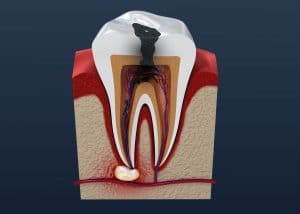 An abscessed tooth is an infection caused by tooth decay, periodontal disease or a cracked tooth. These problems can allow bacteria to enter the pulp (the soft tissue of a tooth that contains nerves, blood vessels, and connective tissue) and can lead to pulp death. When pus builds up it forms a pus-pocket called an abscess. If the abscess is not treated, it can lead to a serious infection in the jawbone, teeth and surrounding tissues.
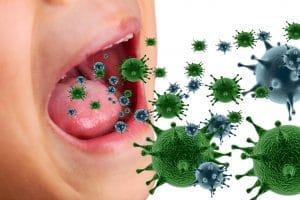 When compared with nondrinkers, men and women who had one or more alcoholic drinks per day had an overabundance of oral bacteria linked to gum disease, some cancers, and heart disease. Alcohol drinkers also had fewer bacteria known to check the growth of other, harmful germs. These are the main findings of a study published in the journal Microbiome.
 Opioids are not among the most effective—or longest lasting—options available for relief from acute dental pain, a new examination of the results from more than 460 published studies has found. Each day, more than 115 Americans die as a result of an opioid overdose, according to the National Institutes of Health.