
Making smart food choices, paying attention to portion size and exercising are the steps you can take to shed pounds, and these changes can benefit more than just your waistline. They can also be good for your teeth.
When You’re Planning Meals
 Fruits and vegetables: These should cover half your plate at meals. They are high in water and fiber, which balance the sugars they contain and help to clean your teeth. These foods also help stimulate saliva production, which washes harmful acids and food particles away from teeth and helps neutralize acid, protecting teeth from cavities.
Grains: At least half of the grains you eat should be whole grains or low-sugar breads and cereals, such as oatmeal, whole wheat bread and brown rice.
Protein: Make lean protein choices, such as lean beef, skinless poultry and fish. Vary your protein choices to also include eggs, beans, peas and legumes. These phosphorus-rich foods help to keep your mouth healthy and contain valuable protein, which help keep you feel fuller for longer amounts of time.
Dairy: When it comes to dairy, choose low-fat or fat-free dairy foods. Milk and other dairy products such as cheese and yogurt are low in sugar, which is a good thing for your dental health. They also contain protein and are full of calcium, good for healthy teeth and gums.
If you, your family or friends need dental care, we would be honored to provide you with state-of-the-art dental care in our modern dental practice. Refer someone you love to someone you trust!
Presented as a service to the community by Doctors Hoover and Yanda,
39 Milford Drive, Hudson, Ohio 44236. 330-650-0360. www.drshooverandyanda.com


 Findings of the analysis, based on a review of medical and dental exam records of more than 3,600 people with high blood pressure, reveal that those with healthier gums have lower blood pressure and responded better to blood pressure-lowering medications, compared with individuals who have gum disease. People with periodontal disease were 20 percent less likely to reach healthy blood pressure ranges, compared with patients in good oral health.
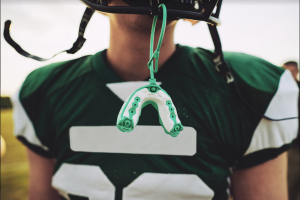 of mouthguards: the “boil and bite” type and the custom-made type. The “boil and bite” mouthguard is fitted by the athlete him or herself by dipping it into boiling water for a couple of minutes, and then forming it to the teeth while it is soft and moldable. This is the less costly type, can be re-molded by reboiling it if need be and for many people it works fine. Some people require a more precise fit than a “boil and bite” mouthguard can provide. For them, their dentist can make a custom-made mouthguard. The dentist makes impressions of the teeth and a laboratory-processed mouthguard is then fabricated. It fits much more comfortably because of the custom-fit.
 Begin cleaning your baby’s mouth during the first few days after birth by wiping the gums with a clean, moist gauze pad or washcloth. As soon as teeth appear, decay can occur. A baby’s front four teeth usually push through the gums at about 6 months of age, although some children don’t have their first tooth until 12 or 14 months.
 Most children have a full set of 20 primary teeth by the time they are 3. Every child is different, but usually the first teeth to come in are located in the top and bottom front of their mouth. The remaining teeth generally fill in from front to back, ending with baby’s first molars.