
Q: Can gum disease cause other health problems?
A: It’s long been known that your oral health is closely related to your overall health. New research has found that chronic periodontitis, an inflammatory gum disease, is potentially related to the severity of heart attacks, also called myocardial infarctions. Researchers from the University of Granada in Spain studied 112 heart attack patients and tested them for a variety of conditions, including periodontal health. Their preliminary findings were that there is a relationship between gum disease and the severity of heart attacks. Their findings were published in the prestigious Journal of Dental Research under the title, “Acute myocardial infarct size is related to periodontitis extent and severity.” Research is continuing.
Medical experts have known for some time, however, that bacteria from gum infection—and from other ailments in the mouth—can get into the bloodstream and cause problems. Researchers have found, for instance, that people who suffer from gum disease are twice as likely to suffer from coronary artery disease as those without gum disease. Several years ago, as published in the journal Obstetrics and Gynecology, doctors determined that in the case of a 35-year-old mother who had a stillborn birth, the baby’s stomach and lungs contained the same strain of oral bacteria the mother had in her untreated gum disease.
If you, your family or friends need dental care, we would be honored to provide you with state-of-the-art dental care in our modern dental practice. Refer someone you love to someone you trust!
Presented as a service to the community by Doctors Hoover and Yanda,
39 Milford Drive, Hudson, Ohio 44236. 330-650-0360. www.drshooverandyanda.com
 thing, a bacterial infection in the gum could affect the placenta, the organ that links the fetus with the mother’s uterus. There has been some concern over the years about a link between periodontal infection—gum disease—and pre-term, low-birth-weight babies.
 thing you can do for your dental health is visit your dentist regularly. If it’s been a while since your last checkup, resolve at this start of the year to call and make an appointment for a thorough examination and cleaning.
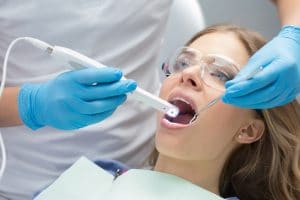 cameras that can be used inside of your mouth to see areas that are even hard for us to see! The video pictures that they take are enlarged and are viewed on a computer monitor right in the treatment room so we can see even the smallest and most well-hidden areas of your mouth.
 Sensitive teeth can be treated. The type of treatment will depend on what is causing the sensitivity. Your dentist may suggest one of a variety of treatments:
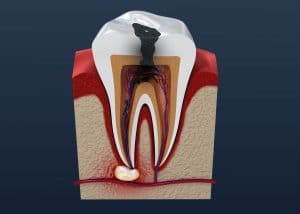 An abscessed tooth is an infection caused by tooth decay, periodontal disease or a cracked tooth. These problems can allow bacteria to enter the pulp (the soft tissue of a tooth that contains nerves, blood vessels, and connective tissue) and can lead to pulp death. When pus builds up it forms a pus-pocket called an abscess. If the abscess is not treated, it can lead to a serious infection in the jawbone, teeth and surrounding tissues.
 When compared with nondrinkers, men and women who had one or more alcoholic drinks per day had an overabundance of oral bacteria linked to gum disease, some cancers, and heart disease. Alcohol drinkers also had fewer bacteria known to check the growth of other, harmful germs. These are the main findings of a study published in the journal Microbiome.
 Opioids are not among the most effective—or longest lasting—options available for relief from acute dental pain, a new examination of the results from more than 460 published studies has found. Each day, more than 115 Americans die as a result of an opioid overdose, according to the National Institutes of Health.
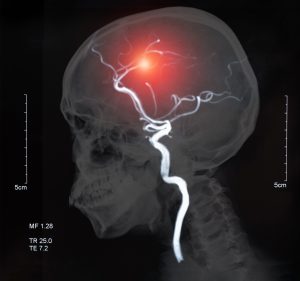 cerebral small-vessel disease that can lead to a stroke.