
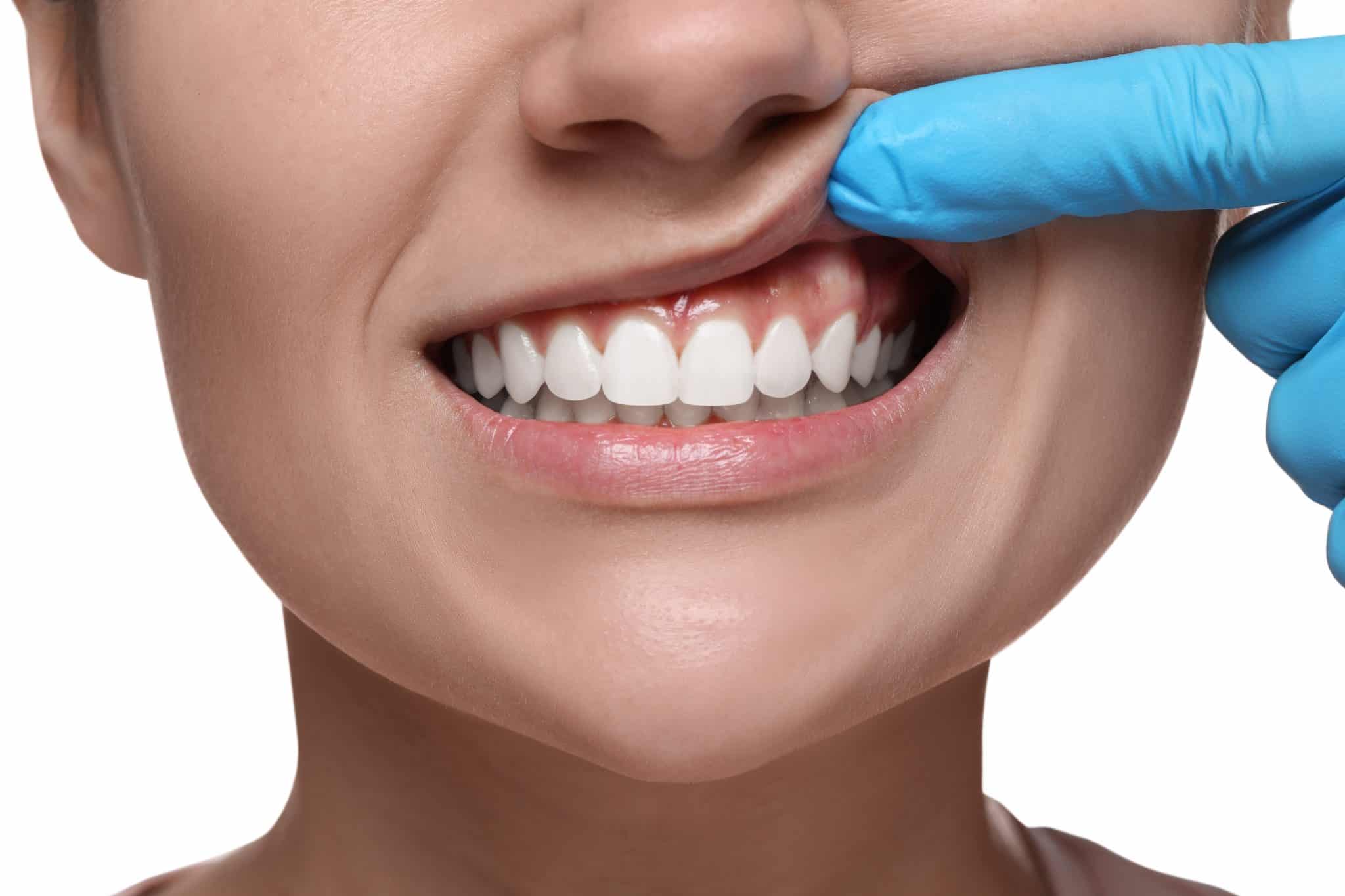
A routine dental cleaning is essential for staying healthy, and for many people, it’s all they need. But sometimes your gums require extra care. If your dentist mentions deeper care like scaling and root planing, it often means there’s inflammation and tartar buildup below the gum line that a standard cleaning can’t fully address.
At Hoover & Yanda & Associates in Hudson, Ohio, we prioritize comfortable, patient-first dental care and long-term relationships. This includes taking gum health seriously and explaining your options in a calm, easy-to-understand way, so you can feel confident about the next step.
Why Gums Sometimes Need More Than a Routine Cleaning
A preventive cleaning mainly targets plaque and tartar above the gum line, along with light buildup just beneath it. When gum tissue becomes irritated, it can pull slightly away from the teeth, creating spaces called periodontal pockets where bacteria collect. These pockets can deepen over time.
Once tartar settles deeper, it becomes harder to reach with regular brushing and flossing. This is why periodontal disease can progress quietly. Addressing it early helps protect your oral health and reduces the need for more complex treatment later.
What Is Gum Disease, and How Does It Progress?
Gum disease is a common condition that starts with irritation and swelling along the gum line. Early signs may include bleeding during brushing or flossing and persistent bad breath. Without treatment, gum pockets can deepen, and the infection can spread around the tooth roots.
As periodontal disease advances, the risk of chronic periodontitis increases. Over time, the supporting bone and gum tissue can weaken, leading to loose teeth and eventual tooth loss. Protecting the roots of the teeth is a key goal of periodontal therapy, as stable foundations support comfortable chewing and a healthier smile.
What Warning Signs Should You Watch for at Home?
Your gums rarely “hurt” early on, so subtle symptoms matter. If any of these sound familiar, it’s a good idea to schedule an evaluation:
- Gums that bleed during brushing or flossing
- Tender or swollen gum tissue
- Receding gums or teeth that appear longer
- Persistent bad breath or a bad taste
- Sensitivity near the gum line
- A feeling that food gets stuck near the gums
These signs don’t always mean advanced gum disease, but they often signal inflammation that needs attention. The first step is an exam to measure gum pockets and determine the best care for your needs.
Is Scaling and Root Planing the Same as a Deep Cleaning Procedure?
Scaling and root planing, often called a deep cleaning, removes tartar buildup and bacteria from below the gum line. It includes dental scaling to clean the tooth and root surface, plus root planing to smooth the roots so gum tissue can heal and reattach more effectively. This approach supports healthier gums by removing irritants that cause inflammation.
In some cases, your dentist may recommend full mouth debridement before scaling, especially when heavy buildup affects visibility and access. Your care plan depends on the condition of your gum line and the extent of tartar buildup.
What to Expect During Dental Scaling and Root Planing
Comfort is a priority, especially if you’re worried about your gum health. Scaling and root planing is typically done with local anesthesia to numb the treated areas. Many patients do well with this approach, and your hygienist will check in with you throughout the appointment to ensure you feel supported.
During the procedure, we may use an ultrasonic scaler and hand instruments. The ultrasonic scaler uses gentle vibration and water to break up tartar efficiently, while hand instruments refine the root surface. Depending on how much of the mouth needs care, treatment may be completed in sections to focus carefully on each area.
Healing Process and Aftercare: Setting Your Gums Up for Success
After scaling and root planing, mild tenderness is common, especially along the gum line. Some people notice sensitivity around the teeth roots for a short time as the gum tissue begins to heal. Following home care instructions and keeping the area clean often ensures a smooth recovery.
For the first few days, soft foods can make eating more comfortable, and gentle cleaning supports healing. If you feel sore, ask us about appropriate over-the-counter pain relievers. The goal is steady improvement: less bleeding, less swelling, and gum pockets that tighten as healthy gums re-establish a better seal around the tooth roots.
Why Periodontal Maintenance Matters After Treatment
Scaling and root planing is an important step, and periodontal maintenance helps protect the results. After deeper cleaning, we typically recommend ongoing cleanings tailored to your periodontal history. These visits differ from standard preventive appointments because they focus on areas prone to tartar buildup and inflammation.
Periodontal maintenance also includes monitoring gum pockets and the tooth surface near the gum line. Think of it as a plan for long-term stability, especially for patients with a history of gum disease. Regular professional care, paired with proper oral hygiene at home, helps keep gum health on track.
The Connection Between Gum Health and Overall Health
Your mouth is part of your body, and oral health connects to overall health in important ways. Research continues to explore links between inflammation and systemic conditions, including heart disease. The American Dental Association encourages good oral hygiene and regular dental visits as practical steps toward a healthier life.
The takeaway is simple: treating gum inflammation promptly supports oral health and reinforces habits that benefit your overall health. Keeping bacterial buildup under control gives your gums a better chance to stay healthy.
Keeping Gums Healthy at Home Between Visits
Professional care makes a big difference, and your daily routine keeps that progress going. Good oral hygiene doesn’t need to be complicated, but it does need to be consistent.
Here are practical habits to maintain gum health after scaling and root planing:
- Brush thoroughly twice a day, focusing gently along the gum line
- Clean between teeth daily to reduce plaque where brushes can’t reach
- Stay consistent with your recommended dental care schedule
- Let us know if you notice bleeding, sensitivity, or bad breath returning
If you’ve had periodontal disease, your home routine plays a key role in protecting the roots of your teeth and limiting future tartar buildup. We’re always happy to show you techniques that fit your comfort level and needs.
When to Call Hoover & Yanda & Associates in Hudson
If you’ve been told you need scaling and root planing, you deserve clear answers and a caring experience. If you’re noticing signs of gum disease, you also deserve a plan to help you avoid bigger issues down the road. Effective treatments are available, and timely care helps safeguard your teeth roots and reduce the risk of tooth loss.
Contact Hoover & Yanda & Associates to schedule an appointment and learn whether periodontal scaling, root planing, or periodontal maintenance is the best next step for you. We’ll walk you through what we see, what it means, and how we can help you feel comfortable through every visit, so you can focus on a healthier, happier smile.
If you, your family, or friends need dental care, we would be honored to provide you with state-of-the-art dental care in our modern dental practice. Refer someone you love to someone you trust!
Presented as a service to the community by Doctors Hoover and Yanda,
39 Milford Drive, Hudson, Ohio 44236. 330-650-0360.
www.drshooverandyanda.com