
Sticky and Gummy Candies
Be picky if it’s sticky. These are some of the worst candies for your teeth. This candy is harder to remove and may stay longer on your teeth, which gives that cavity-causing bacteria more time to work.
Hard Candy
Hard candies are also ones to watch on Halloween. You also tend to keep these kinds of candies in your mouth for longer periods of time, so the sugar is getting in your saliva and washing over your teeth.
Sour Candy
You might want to pass on things that make you pucker—especially if they are sticky and coated in sugar. Sour candy can be very acidic. And that acidity can weaken and damage the hard outer shell of your teeth, making your teeth more vulnerable to cavities.
Popcorn Balls
Have some floss handy if you’re enjoying one of these fall favorites. Kernels can get stuck between your teeth. They are also sticky, sugary and can be hard.
If you, your family or friends need dental care, we would be honored to provide you with state-of-the-art dental care in our modern dental practice. Refer someone you love to someone you trust!
Presented as a service to the community by Doctors Hoover and Yanda,
39 Milford Drive, Hudson, Ohio 44236. 330-650-0360. www.drshooverandyanda.com

 Sparkling water is far better for your teeth than sugary drinks. In addition, be sure to drink plenty of regular, fluoridated water, too—it’s the best beverage for your teeth. Water with fluoride naturally helps fight cavities, washes away the leftover food cavity-causing bacteria feast on and keeps your mouth from becoming dry (which can put you at a higher risk for cavities).
  Plaque that is not removed by brushing and cleaning between your teeth can eventually harden into a rough substance called tartar (or calculus). Tartar collects along your gum line and can lead to gum disease. Once tartar forms, only your dentist or dental hygienist can remove it.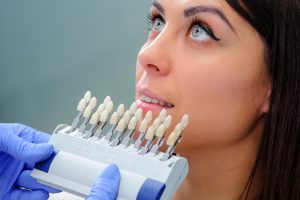
 thing, a bacterial infection in the gum could affect the placenta, the organ that links the fetus with the mother’s uterus. There has been some concern over the years about a link between periodontal infection—gum disease—and pre-term, low-birth-weight babies.