
Aggressive tooth brushing: If you brush your teeth too hard or the wrong way, it can cause the enamel on your teeth to wear away and your gums to recede.
Insufficient dental care: Inadequate brushing, flossing, and rinsing with antibacterial mouthwash makes it easy for plaque to turn into calculus (tartar)—a hard substance that builds on and between your teeth and can only be removed by a professional dental cleaning. It can lead to gum recession.
Hormonal changes: Fluctuations in female hormone levels during a woman’s lifetime, such as in puberty, pregnancy, and menopause, can make gums more sensitive and more vulnerable to gum recession.
Tobacco products: Tobacco users are more likely to have sticky plaque on their teeth that is difficult to remove and can cause gum recession.
Grinding and clenching your teeth: Clenching or grinding your teeth can put too much force on the teeth, causing gums to recede.
Crooked teeth or a misaligned bite: When teeth do not come together evenly, too much force can be placed on the gums and bone, allowing gums to recede.
Body piercing of the lip or tongue: Jewelry can rub the gums and irritate them to the point that gum tissue is worn away.
If you, your family or friends need dental care, we would be honored to provide you with state-of-the-art dental care in our modern dental practice. Refer someone you love to someone you trust!
Presented as a service to the community by Doctors Hoover and Yanda,



 g the teeth, in the development of oral cancers and certain other cancers, as well as the link between periodontitis and cancer mortality on the population level.
 particular reason or reasons are. For some, it’s the color of the teeth or of old fillings in the teeth that is objectionable. Some teeth may have fractured edges or cracks that show. For others yet, they may be crowded or the reverse, they could have gaps between them. There may be teeth actually missing altogether too.
 and clogging of the arteries with fatty substances called lipids. Immune cells stick to the walls of blood vessels, scavenge lipids, and multiply. The blood vessel walls inflame and thicken as the smooth muscle cells lining them change, swelling and dividing to create plaques, clogs, and warty growths called atheromas.
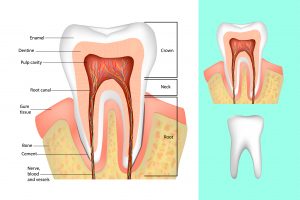 becomes deep enough, it exposes the pulp of the tooth to the bacteria that cause infection. Your body fights the infection by sending increased blood flow to the area. But because the tooth’s nerve and pulp are encased in enamel, pressure builds inside the tooth as a result of the increased blood flow. Swelling and pain begin.
 perform the activities of daily living. Frailty is a major healthcare challenge for older adults and caregivers. Someone who is frail can be weak, have less endurance, and be less able to function well. Frailty increases the risk for falls, disability, and even death.