
 When You Need Something to Drink
Then: You reached for a soda.
Now: You quench your thirst with water.
Why: Two out of three adults in the United States are overweight or obese, and 1 in 4 Americans get at least 200 calories a day from sugary drinks like soda. Since a 20-ounce regular soda has an average of 227 calories, cutting soda from your diet is an easy way to save on calories.
The calories in regular soda are not good for your health, but they are even worse for your teeth because those calories come from added sugar. A regular can of soda also contains about 12.5 teaspoons of added sugar, which is how much added sugar the FDA says people over the age of 3 should have throughout an entire day!
The swap is simple: Water. (Even better if it’s fluoridated!) Water contains no calories, no sugars and helps keep cavities away by washing away leftover food and keeping dry mouth at bay.
When You’re Craving Dessert
Then: You grabbed a cookie after dinner to feed your sweet tooth.
Now: You reach for a piece of sugarless gum.
Why: It’s a win-win: You can prevent dessert remorse and clean your teeth at the same time. Waiting about 20 minutes after a meal helps your body determine if it’s really still hungry. Studies also show that chewing sugarless gum for 20 minutes after eating can reduce your risk of cavities.
If you, your family or friends need dental care, we would be honored to provide you with state-of-the-art dental care in our modern dental practice. Refer someone you love to someone you trust!
Presented as a service to the community by Doctors Hoover and Yanda,
39 Milford Drive, Hudson, Ohio 44236. 330-650-0360. www.drshooverandyanda.com
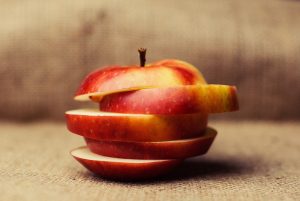
 Fruits and vegetables: These should cover half your plate at meals. They are high in water and fiber, which balance the sugars they contain and help to clean your teeth. These foods also help stimulate saliva production, which washes harmful acids and food particles away from teeth and helps neutralize acid, protecting teeth from cavities.
 Findings of the analysis, based on a review of medical and dental exam records of more than 3,600 people with high blood pressure, reveal that those with healthier gums have lower blood pressure and responded better to blood pressure-lowering medications, compared with individuals who have gum disease. People with periodontal disease were 20 percent less likely to reach healthy blood pressure ranges, compared with patients in good oral health.
 Always ask your dentist if you’re not sure how your nutrition (diet) may affect your oral health. Conditions such as tooth loss, pain or joint dysfunction can impair chewing and are often found in elderly people, those on restrictive diets and those who are undergoing medical treatment. People experiencing these problems may be too isolated or weakened to eat nutritionally balanced meals at a time when it is particularly critical. Talk to your dental health professional about what you can do for yourself or someone you know in these circumstances.
 Researchers have observed that people with gum disease (when compared to people without gum disease) were more likely to develop heart disease or have difficulty controlling blood sugar. Other studies showed that women with gum disease were more likely than those with healthy gums to deliver preterm, low birth-weight babies.