
 Composite fillings are usually more expensive than traditional amalgam fillings because they require a more sophisticated process, more expensive materials and additional office equipment. Composite materials offer an aesthetic alternative to traditional amalgam materials. Because composites can be bonded to teeth, they provide a better seal against leakage and further decay. As such, people who have previously received amalgam fillings often return to their dentist to have them replaced with composite.
Safety and Appearance: In addition to having a more pleasing and natural tooth-like appearance, porcelain and composite fillings have the potential advantage of not containing mercury or other metals that may contribute to sensitivity or toxicity. Mercury toxicity from amalgam fillings is a controversial subject, though no research to date has been able to show any risks of having mercury as a component of amalgam fillings. However, many patients do have metal sensitivities and some have reported a metal taste after the placement of amalgam.
Durability: Composites previously were not as durable as amalgams. However, dental manufacturers have made great strides in improving the strength of composite resin materials, to the effect that composite fillings now have the potential to be used for all teeth, including molars. Furthermore, composite materials often require less tooth preparation and may not weaken the affected tooth as much as amalgam fillings, which often require more extensive tooth preparation. However, amalgam fillings do have a long-term track record.
If you, your family or friends need dental care, we would be honored to provide you with state-of-the-art dental care in our modern dental practice. Refer someone you love to someone you trust!
Presented as a service to the community by Doctors Hoover and Yanda,
39 Milford Drive, Hudson, Ohio 44236. 330-650-0360. www.drshooverandyanda.com
 Always ask your dentist if you’re not sure how your nutrition (diet) may affect your oral health. Conditions such as tooth loss, pain or joint dysfunction can impair chewing and are often found in elderly people, those on restrictive diets and those who are undergoing medical treatment. People experiencing these problems may be too isolated or weakened to eat nutritionally balanced meals at a time when it is particularly critical. Talk to your dental health professional about what you can do for yourself or someone you know in these circumstances.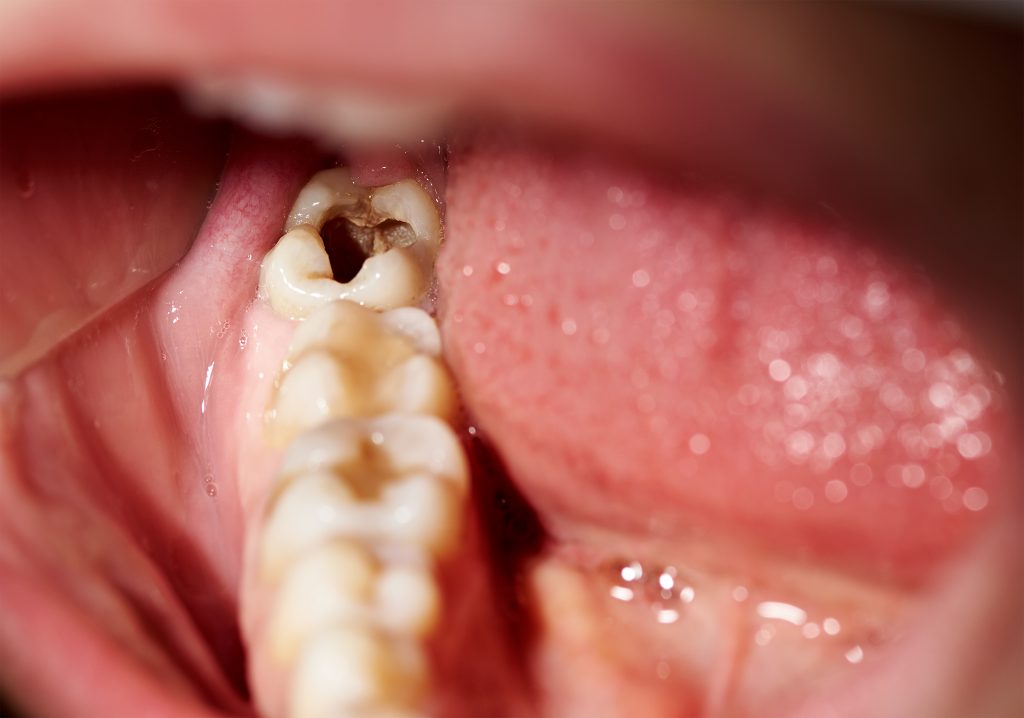
 Fluoride is a mineral that can prevent tooth decay from progressing. It can even reverse, or stop, early tooth decay.
 Our mouths are full of bacteria. Hundreds of different types live on our teeth, gums, tongue and other places in our mouths. Some bacteria are helpful. But some can be harmful, like those that play a role in the tooth decay process. Tooth decay is the result of an infection with certain types of bacteria that use sugars in food to make acids. Over time, these acids can create a cavity in the tooth.
 Researchers have observed that people with gum disease (when compared to people without gum disease) were more likely to develop heart disease or have difficulty controlling blood sugar. Other studies showed that women with gum disease were more likely than those with healthy gums to deliver preterm, low birth-weight babies.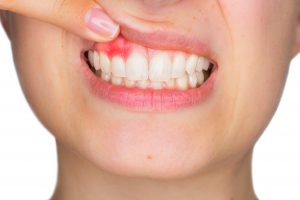
 People usually don’t show signs of gum disease until they are in their 30s or 40s. Men are more likely to have gum disease than women. Although teenagers rarely develop periodontitis, they can develop gingivitis, the milder form of gum disease. Most commonly, gum disease develops when plaque is allowed to build up along and under the gum line.