

Dental enamel, the thin, outer layer of hard tissue that protects the tooth and maintains its shape, is subject to erosion and decay. Acidic foods and beverages are among the substances that can adversely affect the enamel. The prolonged exposure to acid that can come from sipping or holding acidic drinks in the mouth before swallowing is not good for the enamel.
Most commercial soft drinks contain acids, which can break down the tooth surface. These acids also damage tooth enamel over time by dissolving the mineral structure of teeth, thinning the enamel. Eventually, because of repeated exposure to acid, the tooth’s enamel will lose its shape and color. As the damage progresses, the underlying dentin—the tissue that makes up the core of the tooth—becomes exposed, causing the teeth to look yellow.
To prevent tooth erosion, wait at least 20 minutes after consuming an acidic food or beverage before brushing the teeth, so as not to damage the weakened enamel. It is safer to eat acidic foods all at the same time, instead of snacking on them throughout the day. Eat these foods only during mealtimes to minimize the amount of time the acid is on your teeth.
If you, your family, or friends need dental care, we would be honored to provide you with state-of-the-art dental care in our modern dental practice. Refer someone you love to someone you trust!
Presented as a service to the community by Doctors Hoover and Yanda,
39 Milford Drive, Hudson, Ohio 44236. 330-650-0360. www.drshooverandyanda.com

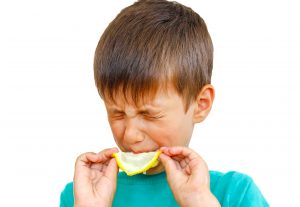 them over a prolonged period and holding them in the mouth is not good. The acid dissolves minerals in the enamel, making it thinner.
 You may be able to prevent two of the most common diseases of modern civilization, tooth decay (caries) and periodontal (gum) disease, simply by improving your diet. Decay results when the teeth and other hard tissues of the mouth are destroyed by acid products from oral bacteria. Certain foods and food combinations are linked to higher levels of cavity-causing bacteria. Although poor nutrition does not directly cause periodontal disease, many researchers believe that the disease progresses faster and is more severe in patients whose diet does not supply the necessary nutrients.
 Our mouths are full of bacteria. Hundreds of different types live on our teeth, gums, tongue and other places in our mouths. Some bacteria are helpful. But some can be harmful, like those that play a role in the tooth decay process. Tooth decay is the result of an infection with certain types of bacteria that use sugars in food to make acids. Over time, these acids can create a cavity in the tooth.