
Making smart food choices, paying attention to portion size and exercising are the steps you can take to shed pounds, and these changes can benefit more than just your waistline. They can also be good for your teeth.
When You’re Planning Meals
 Fruits and vegetables: These should cover half your plate at meals. They are high in water and fiber, which balance the sugars they contain and help to clean your teeth. These foods also help stimulate saliva production, which washes harmful acids and food particles away from teeth and helps neutralize acid, protecting teeth from cavities.
Grains: At least half of the grains you eat should be whole grains or low-sugar breads and cereals, such as oatmeal, whole wheat bread and brown rice.
Protein: Make lean protein choices, such as lean beef, skinless poultry and fish. Vary your protein choices to also include eggs, beans, peas and legumes. These phosphorus-rich foods help to keep your mouth healthy and contain valuable protein, which help keep you feel fuller for longer amounts of time.
Dairy: When it comes to dairy, choose low-fat or fat-free dairy foods. Milk and other dairy products such as cheese and yogurt are low in sugar, which is a good thing for your dental health. They also contain protein and are full of calcium, good for healthy teeth and gums.
If you, your family or friends need dental care, we would be honored to provide you with state-of-the-art dental care in our modern dental practice. Refer someone you love to someone you trust!
Presented as a service to the community by Doctors Hoover and Yanda,
39 Milford Drive, Hudson, Ohio 44236. 330-650-0360. www.drshooverandyanda.com
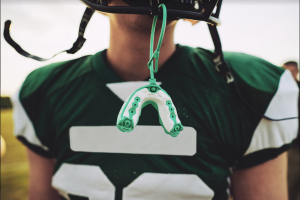 of mouthguards: the “boil and bite” type and the custom-made type. The “boil and bite” mouthguard is fitted by the athlete him or herself by dipping it into boiling water for a couple of minutes, and then forming it to the teeth while it is soft and moldable. This is the less costly type, can be re-molded by reboiling it if need be and for many people it works fine. Some people require a more precise fit than a “boil and bite” mouthguard can provide. For them, their dentist can make a custom-made mouthguard. The dentist makes impressions of the teeth and a laboratory-processed mouthguard is then fabricated. It fits much more comfortably because of the custom-fit.
 Begin cleaning your baby’s mouth during the first few days after birth by wiping the gums with a clean, moist gauze pad or washcloth. As soon as teeth appear, decay can occur. A baby’s front four teeth usually push through the gums at about 6 months of age, although some children don’t have their first tooth until 12 or 14 months.
 Most children have a full set of 20 primary teeth by the time they are 3. Every child is different, but usually the first teeth to come in are located in the top and bottom front of their mouth. The remaining teeth generally fill in from front to back, ending with baby’s first molars.
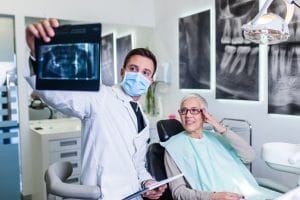 new method of paying for dental services that is becoming very popular. A Concierge Plan is an in-office plan that helps patients afford their needed dentistry. It is not traditional dental insurance, but rather a “membership plan”, similar to plans like Costco, Amazon Prime, Sam’s Club, etc. For one very affordable annual fee, a patient in our office receives a comprehensive exam for new patients, two professional cleanings and two periodic exams per year, an emergency exam if needed, a full-mouth series of x-rays every five years, one set of bitewing x-rays per year, two fluoride treatments per year if needed and 15% off of any other dental treatment they have done within that year. There is no limit on how much dentistry can be received. We have other plans too for families and for periodontal patients who need more frequent cleanings.
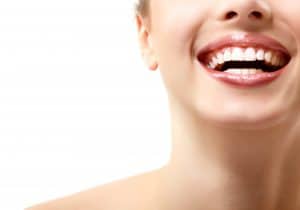 particular reason or reasons are. For some, it’s the color of the teeth or of old fillings in the teeth that is objectionable. Some teeth may have fractured edges or cracks that show. For others yet, they may be crowded or the reverse, they could have gaps between them. There may be teeth actually missing altogether too.
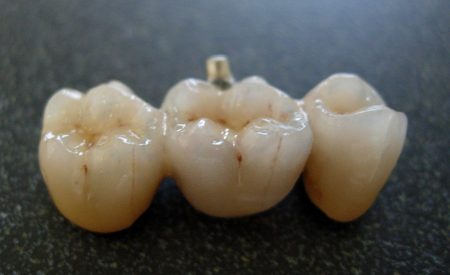 Did you know that the average adult between the ages of 20 and 64 has three or more decayed or missing teeth? If you are missing one or more teeth, there are plenty of reasons to correct the problem. For one thing, a large space between your teeth may affect how you speak or eat. Even if it’s not noticeable, a missing molar can affect how you chew. Remaining teeth may shift which can lead to tooth decay and bone loss.
 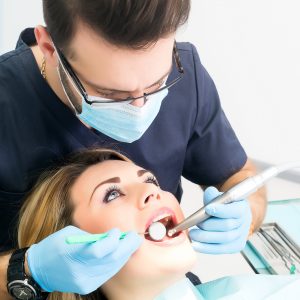 To perform the crown procedure, your dentist prepares the tooth and makes a molded impression or a digital scan of your teeth to send to a dental laboratory. A custom-made temporary crown is created during this visit to protect the tooth while the final restoration is being made in the dental laboratory. Once completed, the crown will be cemented or adhesively bonded at a second visit.