
Q: How can I make my teeth whiter?
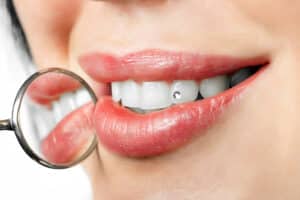 A: The market is loaded with offers that claim to be able to give you a whiter smile if only you would buy and use their miracle product! So, the first step to take in your quest for the perfect smile is to talk with your dentist and find out about the legitimate products and treatments that are available.
For instance, whitening toothpastes that carry the American Dental Association (ADA) seal of acceptance have been tested and approved for what they claim to be. The ADA also approves of bleaching, which can be effective in some cases, although not all. For instance, if you have bonding or tooth-colored fillings placed in your front teeth, those materials will not whiten and may stand out.
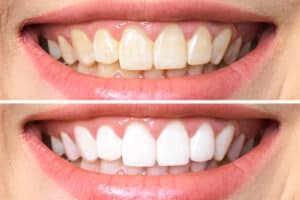
If bleaching is an appropriate option for you, your dentist may do it for you in the office or recommend to you an ADA-approved home-bleaching kit. In most cases, teeth that have yellowed will respond well to bleaching. Those that have gone brownish may not improve noticeably and those that have turned gray may not improve at all. In some cases, veneers or bonding may be the only way to substantially change the appearance of a tooth. As mentioned above, talk with your dentist about options right for you in pursuit of the best smile.
If you, your family, or friends need dental care, we would be honored to provide you with state-of-the-art dental care in our modern dental practice. Refer someone you love to someone you trust!
Presented as a service to the community by Doctors Hoover and Yanda,
39 Milford Drive, Hudson, Ohio 44236. 330-650-0360.
 Q: Do you have any general advice on keeping my mouth healthy?
 Q: Will proper dental care prevent changes in the mouth?
 The gut microbiome dominates the headlines, but it’s not the only collection of tiny organisms that live inside you and affect your health. The oral microbiome — which populates the mouth and connects with the sinuses, larynx, trachea, and lungs — harbors more than 700 species of bacteria. How do those bacteria get there, what do they do, and why should you be glad they mostly survived COVID-19?
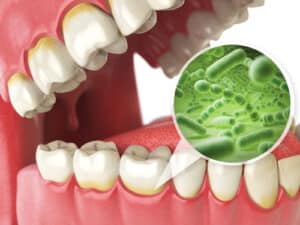 Brushing and flossing regularly can keep your smile shining as brightly as ever, but did you know that it could also help protect your heart? Now, researchers in Japan report that an infected mouth could lead to a broken heart.
 Q: Why is fluoride important to dental health?
 Q: Should pregnant women avoid the dentist until after delivery?
 Q: Why does my dentist take x-rays?
 Q: I know sugar’s not good for teeth. What foods are generally good for dental health?
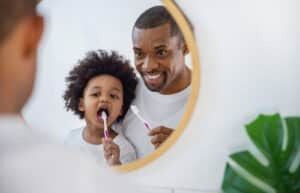 Q: Is there a recommended technique for brushing teeth?