
The most important thing you can do to prevent tooth infections is to maintain good oral hygiene. 
Your dentist will ask you about any oral discomfort or tooth pain during your regular medical visits. They will also ask you about dry mouth symptoms. Reduced saliva and dry mouth increase your risk for tooth decay. If you have dry mouth, check with your medical provider to see if any of the medications you are taking may be making your
dry mouth worse.
Here’s a checklist of practices to avoid in the interest of maintaining good oral health.
- Don’t smoke or chew tobacco.
- If possible, try to use medications that don’t reduce the production of saliva.
- Don’t eat foods high in sugar, especially sticky high-sugar foods or candies.
If you, your family or friends need dental care, we would be honored to provide you with state-of-the-art dental care in our modern dental practice. Refer someone you love to someone you trust!
Presented as a service to the community by Doctors Hoover and Yanda,


 Q: There seem to be different ways to whiten teeth. Which do you recommend?
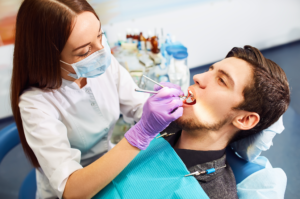 Professionally, there are four main ways to deal with dental caries. These treatments, carried out by a dental professional, can help treat damage incurred from dental caries.

 . Cleaning your toothbrush is easy: Rinse it with tap water to remove any remaining toothpaste and debris. Store it upright and allow it to air dry. If you store your toothbrush with other toothbrushes, make sure they are separated to prevent cross-contamination. And do not routinely cover toothbrushes or store them in closed containers. A moist environment such as a closed container is more conducive to the growth of unwanted bacteria than the open air.
 We know and love our toothbrushes as the tools that kick plaque to the curb, help keep cavities at bay (with the help of fluoride toothpaste, of course) and freshen our breath. But what else can we learn about them? Read on for some toothbrush facts.