Regular use of fluoride toothpaste containing triclosan, an antibacterial agent, and a copolymer, which helps prevent the triclosan from being washed away by saliva, reduces plaque, gingivitis, and bleeding gums and slightly reduces tooth decay compared to fluoride toothpaste without those ingredients, finds a new review. 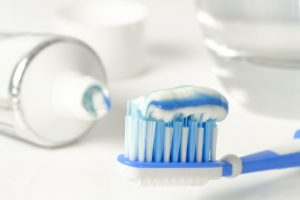
Tooth decay and gingivitis are the main causes of tooth loss. Both are caused by plaque, the film of bacteria that builds up on teeth, and if left untreated, can lead to periodontitis, a more serious gum disease that can cause pain and loose teeth. Researchers reviewed 30 published studies of toothpaste containing triclosan and copolymer.
Their analysis of the combined data found a 22 percent reduction in plaque, a 22 percent reduction in gingivitis, a 48 percent reduction in bleeding gums, and a 5 percent reduction in tooth decay (cavities) compared to toothpaste with fluoride alone. However, they did not find significant evidence that triclosan/copolymer toothpaste reduced the incidence of periodontitis more than toothpaste without the combination. No adverse reactions to triclosan or the copolymer were reported.
The American Dental Association’s (ADA) Seal of Acceptance Program and Product Evaluations has independently reviewed data on the safety and effectiveness of triclosan/copolymer for reducing cavities, plaque and gingivitis. The council concluded that there were sufficient clinical studies that showed these kinds of toothpaste reduced the incidence of cavities and the presence of plaque and gingivitis.
If you, your family or friends need dental care, we would be honored to provide you with state-of-the-art dental care in our modern dental practice. Refer someone you love to someone you trust!
Presented as a service to the community by Doctors Hoover and Yanda,
39 Milford Drive, Hudson, Ohio 44236. 330-650-0360. www.drshooverandyanda.com

 People with Alzheimer’s disease may need some help with basic grooming and dressing tasks, including taking care of their teeth and mouth. As a caregiver, you can help!
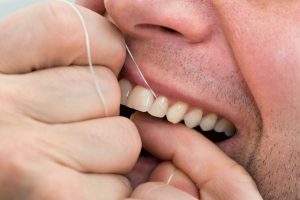 Brushing twice a day with an ADA certified fluoride toothpaste and flossing with dental floss or an interdental cleaner once a day is advised. Keep appointments with your dentist and hygienist for routine check-ups and teeth cleanings.
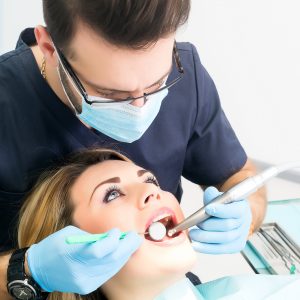 To perform the crown procedure, your dentist prepares the tooth and makes a molded impression or a digital scan of your teeth to send to a dental laboratory. A custom-made temporary crown is created during this visit to protect the tooth while the final restoration is being made in the dental laboratory. Once completed, the crown will be cemented or adhesively bonded at a second visit.
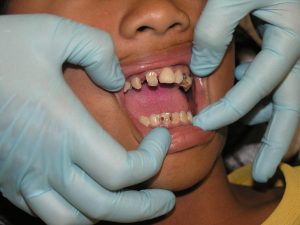 One of the more common oral health issues discovered during scheduled cleanings is dental caries (tooth decay). Your dentist will examine your teeth using a dental instrument called an explorer and may also take an X-ray to determine the extent and exact location of the cavity and decay. In our office, we also use a laser to help detect decay.
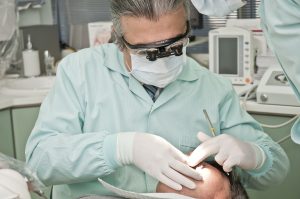 Talk to a dentist about sealants. Dental sealants are another good way to help avoid a cavity. Sealants are thin, plastic coatings painted onto the chewing surfaces of the back teeth, or molars. Here’s why sealants are helpful: The chewing surfaces of back teeth are rough and uneven because they have small pits and grooves. Food and bacteria can get stuck in the pits and grooves and stay there a long time because toothbrush bristles can’t easily brush them away. Sealants cover these surfaces and form a barrier that protects teeth and prevents food and bacteria from getting trapped there.
 Make sure your child brushes! Brushing with fluoride toothpaste is important for preventing cavities. Here’s what you should know about brushing: