Q: Are some foods potentially more damaging to tooth enamel than others?
A: Yes. Though dental enamel is the toughest substance in the body, it is susceptible to damage. Enamel is the thin outer layer of tissue that protects the tooth. Of course, enamel can crack from the force of a trauma—a blow to the face, chomping on a popcorn kernel—but it can also be affected in a more gradual way by what we eat and drink.
Food and beverages that are high in acid content can erode enamel. Most commercial soft drinks contain acid. Sipping on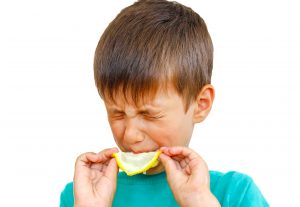 them over a prolonged period and holding them in the mouth is not good. The acid dissolves minerals in the enamel, making it thinner.
Foods that tend to cause more acidity include grains, sugar, dairy products, dried fruits, processed foods, and meats like corned beef. To prevent tooth erosion, wait at least 20 minutes after consuming an acidic food or beverage before brushing your teeth, so as not to damage the weakened enamel. If you’re going to eat acidic foods, consume them in one meal, rather than snacking on them during the day.
If you, your family or friends need dental care, we would be honored to provide you with state-of-the-art dental care in our modern dental practice. Refer someone you love to someone you trust!
Presented as a service to the community by Doctors Hoover and Yanda,
39 Milford Drive, Hudson, Ohio 44236. 330-650-0360. www.drshooverandyanda.com

 People with Alzheimer’s disease may need some help with basic grooming and dressing tasks, including taking care of their teeth and mouth. As a caregiver, you can help!
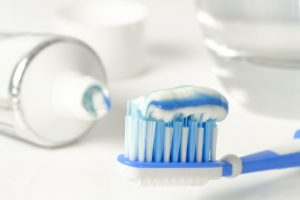
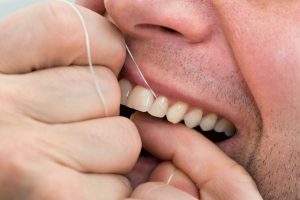 Brushing twice a day with an ADA certified fluoride toothpaste and flossing with dental floss or an interdental cleaner once a day is advised. Keep appointments with your dentist and hygienist for routine check-ups and teeth cleanings.
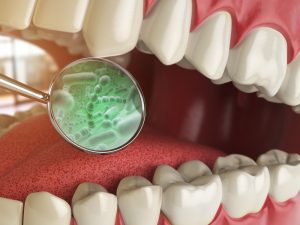
 You may be able to prevent two of the most common diseases of modern civilization, tooth decay (caries) and periodontal (gum) disease, simply by improving your diet. Decay results when the teeth and other hard tissues of the mouth are destroyed by acid products from oral bacteria. Certain foods and food combinations are linked to higher levels of cavity-causing bacteria. Although poor nutrition does not directly cause periodontal disease, many researchers believe that the disease progresses faster and is more severe in patients whose diet does not supply the necessary nutrients.
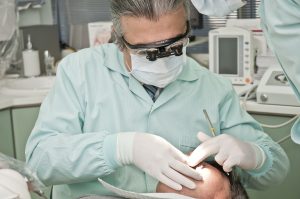 Talk to a dentist about sealants. Dental sealants are another good way to help avoid a cavity. Sealants are thin, plastic coatings painted onto the chewing surfaces of the back teeth, or molars. Here’s why sealants are helpful: The chewing surfaces of back teeth are rough and uneven because they have small pits and grooves. Food and bacteria can get stuck in the pits and grooves and stay there a long time because toothbrush bristles can’t easily brush them away. Sealants cover these surfaces and form a barrier that protects teeth and prevents food and bacteria from getting trapped there.
 Make sure your child brushes! Brushing with fluoride toothpaste is important for preventing cavities. Here’s what you should know about brushing:
 Keep an eye on how often your child eats, as well as what she eats.