
April 2, 2021Prevention

Q: How can I keep my teeth for my entire lifetime?
A: There are about four main things you can do to keep your teeth healthy and in your mouth for your whole life:
- Diet: If you have three meals a day and nothing that contains sugar in between it is very unlikely you will get cavities. The more things with sugar you have between meals (fruit, juice, sugared coffee, soft drinks, etc.) the more cavities you are likely to get.
- Cleaning: To prevent gum disease, you have to floss. Once a day is usually enough. It makes your breath nice and your gums strong.
- Strong Teeth and Fillings: If you have old fillings or your teeth are starting to crack, it is important to have them strengthened before problems occur. If you wait until things begin to hurt, treatment can become much more complicated…and expensive!
- Regular Visits: Even when everything has been fixed, you have to come and have your teeth cleaned and examined regularly. It’s the only way we can have a chance to find little things before they become big things.
That’s it. Do those things and you’ll probably have your teeth when you’re old and gray!
If you, your family or friends need dental care, we would be honored to provide you with state-of-the-art dental care in our modern dental practice. Refer someone you love to someone you trust!
Presented as a service to the community by Doctors Hoover and Yanda,
 Regular dental visits are important because they can help spot dental health problems early on when treatment is likely to be simpler and more affordable. They also help prevent many problems from developing in the first place. Visiting your dentist regularly is also important because some diseases or medical conditions have symptoms that can appear in the mouth.
 thing, a bacterial infection in the gum could affect the placenta, the organ that links the fetus with the mother’s uterus. There has been some concern over the years about a link between periodontal infection—gum disease—and pre-term, low-birth-weight babies.
 g the teeth, in the development of oral cancers and certain other cancers, as well as the link between periodontitis and cancer mortality on the population level.
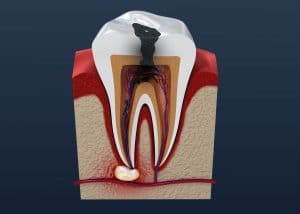 An abscessed tooth is an infection caused by tooth decay, periodontal disease or a cracked tooth. These problems can allow bacteria to enter the pulp (the soft tissue of a tooth that contains nerves, blood vessels, and connective tissue) and can lead to pulp death. When pus builds up it forms a pus-pocket called an abscess. If the abscess is not treated, it can lead to a serious infection in the jawbone, teeth and surrounding tissues.
 When compared with nondrinkers, men and women who had one or more alcoholic drinks per day had an overabundance of oral bacteria linked to gum disease, some cancers, and heart disease. Alcohol drinkers also had fewer bacteria known to check the growth of other, harmful germs. These are the main findings of a study published in the journal Microbiome.
 Clinical studies have shown that chewing sugarless gum for 20 minutes following meals can help prevent tooth decay.
 cerebral small-vessel disease that can lead to a stroke.