
Q: How does a toothache get started?
A: What actually causes the pain of a toothache is your body’s reaction to an infection. A toothache certainly is one of life’s more unpleasant experiences. It can start as a dull throb and escalate to the point of excruciating pain. A couple of things are certain: a toothache is a sign of a problem and that problem should get prompt professional attention.
Generally, a toothache is the result of decay in the tooth. When a cavity reaches the pulp of the tooth it can let in the bacteria that cause infection. The body fights the infection by increasing blood flow to the infected area. But since the tooth’s pulp and nerve are encased in enamel, the pressure of the increased blood flow causes the swelling and pain that are the trademarks of the toothache.
As the infection spreads to the periodontal ligament, the membrane that holds the tooth in its socket, you will experience pain when the affected tooth comes in contact with another tooth. Anti-inflammatory drugs like naprosen or ibuprofen may ease the pain of a toothache, but they won’t cure the cause. Call the dentist at the first sign of a toothache.
If you, your family or friends need dental care, we would be honored to provide you with state-of-the-art dental care in our modern dental practice. Refer someone you love to someone you trust!
Presented as a service to the community by Doctors Hoover and Yanda,
39 Milford Drive, Hudson, Ohio 44236. 330-650-0360. www.drshooverandyanda.com

 There are generally three phases to getting an

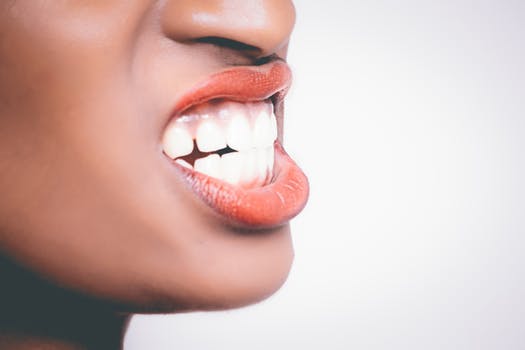 Dentures are removable appliances that can replace missing teeth and help restore your smile. If you’ve lost all of your natural teeth, whether from gum disease, tooth decay or injury, replacing missing teeth will benefit your appearance and your health. That’s because dentures make it easier to eat and speak better than you could without teeth—things that people often take for granted.
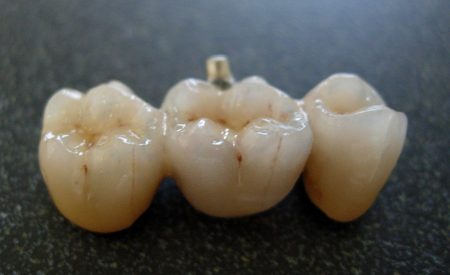 Did you know that the average adult between the ages of 20 and 64 has three or more decayed or missing teeth? If you are missing one or more teeth, there are plenty of reasons to correct the problem. For one thing, a large space between your teeth may affect how you speak or eat. Even if it’s not noticeable, a missing molar can affect how you chew. Remaining teeth may shift which can lead to tooth decay and bone loss.