
Taking care of your gums by brushing, flossing, and regular dental visits could help hold heart disease at bay. Researchers have shown for the first time that as gum health improves, the progression of atherosclerosis slows to a clinically significant degree.

Atherosclerosis, or the narrowing of arteries through the build-up of plaque, is a major risk factor for heart disease, stroke, and death.
Over a median follow-up period of three years, the researchers found that improvement in periodontal health— the health of the gums—and a reduction in the proportion of specific bacteria linked to periodontal disease correlated to a slower intima-medial thickness (IMT) progression, and worsening periodontal infections paralleled the progression of IMT. Results were adjusted for potential confounders such as body mass index, cholesterol levels, diabetes, and smoking status.
For more information about this topic, read this article.
If you, your family or friends need dental care, we would be honored to provide you with state-of-the-art dental care in our modern dental practice. Refer someone you love to someone you trust!
Presented as a service to the community by Doctors Hoover and Yanda,
39 Milford Drive, Hudson, Ohio 44236. 330-650-0360. www.drshooverandyanda.com

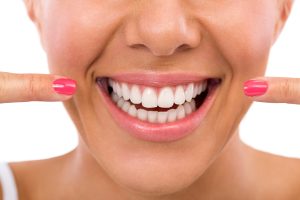 A: There are at least three main methods people use to have their teeth whitened. There are over-the-counter methods available in most pharmacies. There are methods that are done entirely within the dental office. Lastly, there are methods that involve having trays fitted by a dentist that are then worn at home. Over-the-counter methods are the least expensive. They do work to a certain extent but tend to take longer and their “one size fits all” feature doesn’t work for everyone. Methods that are done entirely within the dental office and those involving custom-made trays by the dentist that are then worn at home both are more likely to brighten teeth more quickly and effectively. We choose to fabricate trays in our office for one major reason. All bleaching eventually fades and then requires whitening again to regain that brighter smile. With “in-office only” methods, they need to be done entirely over at full fee and that fee is typically higher than the custom tray method. With the custom tray method, when whitening is needed again since you still have the trays, the only expense with subsequent treatments is to purchase the tubes of bleach. That cost is minimal compared to starting all over again. Many of our patients choose the start of a new year as the perfect time to whiten their teeth.
 People with Alzheimer’s disease may need some help with basic grooming and dressing tasks, including taking care of their teeth and mouth. As a caregiver, you can help!
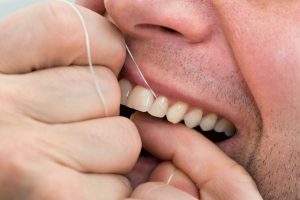 Brushing twice a day with an ADA certified fluoride toothpaste and flossing with dental floss or an interdental cleaner once a day is advised. Keep appointments with your dentist and hygienist for routine check-ups and teeth cleanings.
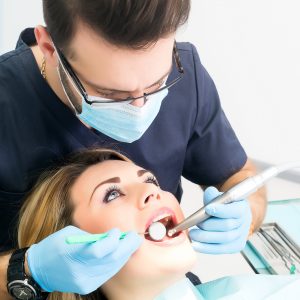 To perform the crown procedure, your dentist prepares the tooth and makes a molded impression or a digital scan of your teeth to send to a dental laboratory. A custom-made temporary crown is created during this visit to protect the tooth while the final restoration is being made in the dental laboratory. Once completed, the crown will be cemented or adhesively bonded at a second visit.
 Dental crowns, also known as “caps,” preserve the functionality of damaged teeth. This common dental restoration may be used to protect a cracked tooth, restore functionality of a tooth with excessive decay or replace a pre-existing crown. It protects a weakened tooth with a custom-designed material.
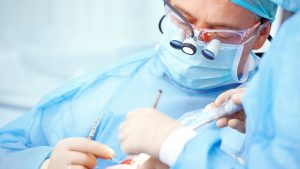 When your treatment plan calls for direct composite restorations or adhesively bonded restorations, dentists start the process by isolating the teeth, to prevent interference from moisture. Depending on the extent of the treatment, anesthetic injections may be required.
 The term bonding is used in dentistry to describe adhering dental materials to your teeth using specialized adhesives and a high-intensity curing light.