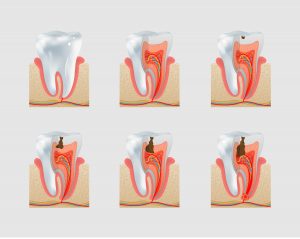
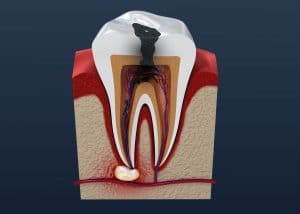
 An abscessed tooth is an infection caused by tooth decay, periodontal disease or a cracked tooth. These problems can allow bacteria to enter the pulp (the soft tissue of a tooth that contains nerves, blood vessels, and connective tissue) and can lead to pulp death. When pus builds up it forms a pus-pocket called an abscess. If the abscess is not treated, it can lead to a serious infection in the jawbone, teeth and surrounding tissues.
Symptoms of an abscess include:
- pain
- swelling
- redness in the gums
- bad taste in the mouth
- fever
An abscessed tooth can be treated in a number of ways, depending on the severity of the infection. Here are some of the treatment methods a dentist may consider:
- antibiotics
- drainage of the infection
- cleaning the space between the tooth and the gum (if the cause is from gum disease)
- root canal treatment
- extraction of the tooth
Following good oral hygiene practices and seeing your dentist regularly will significantly reduce your risk of developing a tooth abscess.
If you, your family or friends need dental care, we would be honored to provide you with state-of-the-art dental care in our modern dental practice. Refer someone you love to someone you trust!
Presented as a service to the community by Doctors Hoover and Yanda,
39 Milford Drive, Hudson, Ohio 44236. 330-650-0360. www.drshooverandyanda.com
 When compared with nondrinkers, men and women who had one or more alcoholic drinks per day had an overabundance of oral bacteria linked to gum disease, some cancers, and heart disease. Alcohol drinkers also had fewer bacteria known to check the growth of other, harmful germs. These are the main findings of a study published in the journal Microbiome.
 Opioids are not among the most effective—or longest lasting—options available for relief from acute dental pain, a new examination of the results from more than 460 published studies has found. Each day, more than 115 Americans die as a result of an opioid overdose, according to the National Institutes of Health.
 Clinical studies have shown that chewing sugarless gum for 20 minutes following meals can help prevent tooth decay.
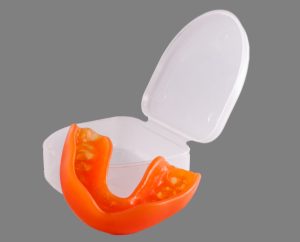 ment: Talk to your dentist about when is the right time to replace your mouthguard, but replace it immediately if it shows sign of wear, is damaged or ill-fitting. Teens and children may need to replace their mouthguards more often because their mouths are still growing and changing. Between games, it’s important to keep your mouthguard clean and dry. Here are some tips for making sure your mouthguard is always ready to go:
 Mouthguards help cushion a blow to the face, minimizing the risk of broken teeth and injuries to your lips, tongue, face or jaw. They typically cover the upper teeth and are a great way to protect the soft tissues of your tongue, lips and cheek lining. Your top teeth take the brunt of trauma because they stick out more. Your bottom teeth are a little more protected because they are further back.
 Poor maternal oral health can have significant impacts on a woman’s overall health and the health of her children.
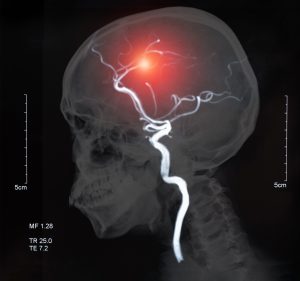 cerebral small-vessel disease that can lead to a stroke.