
 There are generally three phases to getting an implant:
First, the dentist surgically places the implant into the jawbone. Your dentist may recommend a diet of soft food during the initial healing process.
Next, the bone around the implant heals in a process called osseointegration. What makes an implant so strong is that the bone actually grows around it and holds it in place. Osseointegration means “combines with the bone” and takes several months, before replacement teeth can be attached to the implant.
Then it’s time for the placement of the artificial tooth/teeth. For a single tooth implant, your dentist will customize a new tooth for you, called a dental crown. The crown will be based on size, shape, color and fit, and will be designed to blend in with your other teeth. If you are replacing more than a single tooth, custom-made bridges or dentures will be made to fit your mouth and your implants.
If you, your family or friends need dental care, we would be honored to provide you with state-of-the-art dental care in our modern dental practice. Refer someone you love to someone you trust!
Presented as a service to the community by Doctors Hoover and Yanda,
39 Milford Drive, Hudson, Ohio 44236. 330-650-0360. www.drshooverandyanda.com
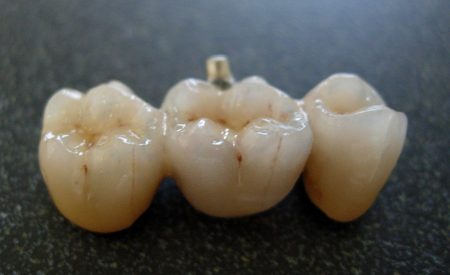 Did you know that the average adult between the ages of 20 and 64 has three or more decayed or missing teeth? If you are missing one or more teeth, there are plenty of reasons to correct the problem. For one thing, a large space between your teeth may affect how you speak or eat. Even if it’s not noticeable, a missing molar can affect how you chew. Remaining teeth may shift which can lead to tooth decay and bone loss.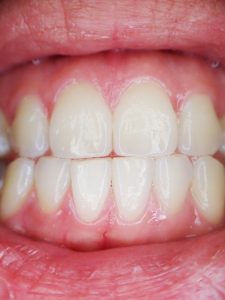


 People with Alzheimer’s disease may need some help with basic grooming and dressing tasks, including taking care of their teeth and mouth. As a caregiver, you can help!
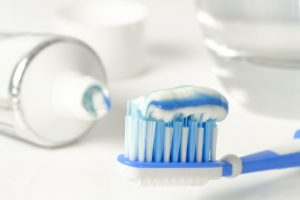
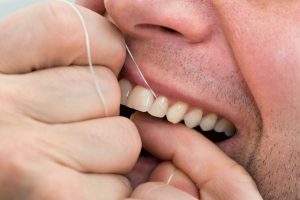 Brushing twice a day with an ADA certified fluoride toothpaste and flossing with dental floss or an interdental cleaner once a day is advised. Keep appointments with your dentist and hygienist for routine check-ups and teeth cleanings.
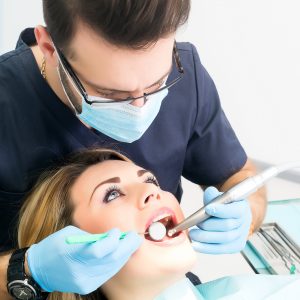 To perform the crown procedure, your dentist prepares the tooth and makes a molded impression or a digital scan of your teeth to send to a dental laboratory. A custom-made temporary crown is created during this visit to protect the tooth while the final restoration is being made in the dental laboratory. Once completed, the crown will be cemented or adhesively bonded at a second visit.