
Q: What are some of the warning signs of gum trouble?
A: One of the reasons why gum disease, also called periodontal disease, is so insidious and widespread—more teeth are lost to gum disease than to decay—is because it is not painful as it takes hold. Here are some warnings you should watch for:
- Bleeding from the gums when you brush your teeth.
- Tenderness, redness and swelling of the gums.
- Gums that are receding from the teeth.
- Persistent bad breath or bad taste in your mouth.
- Teeth that are moving apart and loose teeth.
- Changes in the way your teeth fit together when you bite.
Left unchecked, gum disease will lead to tooth loss. Tobacco use, whether it’s smoked or chewed, is a risk factor not only for gum disease but for oral cancer.
Practicing good oral hygiene at home–brushing and flossing regularly—and seeing your dentist on a regular basis are the best ways to avoid gum disease.
If you, your family or friends need dental care, we would be honored to provide you with state-of-the-art dental care in our modern dental practice. Refer someone you love to someone you trust!
Presented as a service to the community by Doctors Hoover and Yanda,
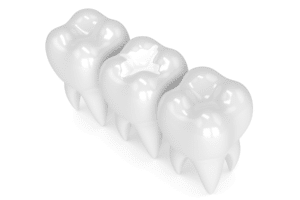 A: Dental sealants are a protective coating a dentist applies to shield the teeth’s enamel layer from food debris that can get caught in the uneven surfaces of your teeth. In particular, the teeth in the back of your mouth have pits and fissures. The uneven terrain of those teeth is especially vulnerable to the development of cavities.
 Because we know our patients don’t want to be forced to choose their dentist from a discount list, we are “unrestricted providers”. That means that even though we aren’t in your network, we can still see you and provide the best quality dentistry possible. We’ll inform you of our fees and help you estimate how much your insurance will reimburse you. We will still submit your insurance claim for you. We’ll offer you some great payment options. You may be paid directly by your insurance company. We’ll be happy to review your insurance plan with you.


 Dental insurance and medical insurance are very different. With medical insurance, typically there is a deductible and once that amount is met, medical insurance pays a portion (80% is common) of the rest of the balance of the medical bill, however large. Dental “insurance” works more like a coupon. There is usually a deductible with it too, but then it typically pays only up to a specific dollar amount per year, perhaps $1000. So the dental benefit is limited to that yearly maximum. It is a help in paying for dental treatment, but it definitely does not pay for all of it.