
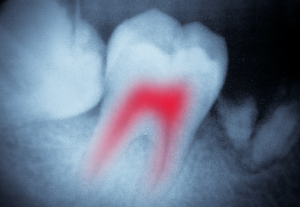
 You will need a root canal if your tooth has damage to its dental pulp, the soft tissue that surrounds nerves in the center of the tooth.
The most common causes of pulp nerve damage are:
- Infection. This is often caused by tooth decay (cavity) reaching the nerve or a cracked tooth. This can allow harmful bacteria to reach the nerve, resulting in infection and decay.
- Injury. An injury to a tooth or the jaw can cause damage to sensitive nerve tissue in the tooth.
Without treatment, the infected dental pulp will spread to the bone around the tooth. This makes it unable to hold the tooth in place.
Alternatives to a Root Canal
The only alternative to a root canal procedure is having the tooth extracted and replaced with a bridge, implant, or removable partial denture to restore chewing function and prevent adjacent teeth from shifting. These alternatives not only are more expensive than a root canal procedure but require more treatment time and additional procedures to adjacent teeth and supporting tissues.
Root Canal Prevention
Since some of the reasons why the nerve of a tooth and its pulp become inflamed and infected are due to deep decay, repeated dental procedures on a tooth and/or large fillings, following good oral hygiene practices (brushing twice a day, flossing at least once a day, and scheduling regular dental visits) may reduce the need for a root canal procedure. Trauma resulting from a sports-related injury can be reduced by wearing a mouth guard.
If you, your family or friends need dental care, we would be honored to provide you with state-of-the-art dental care in our modern dental practice. Refer someone you love to someone you trust!
Presented as a service to the community by Doctors Hoover and Yanda,
39 Milford Drive, Hudson, Ohio 44236. 330-650-0360. www.drshooverandyanda.com
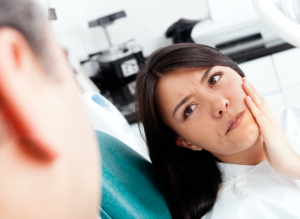 Complications of a Root Canal
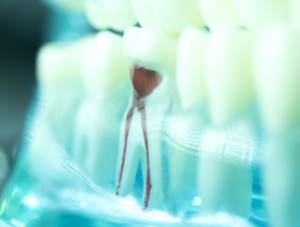 What Should One Expect After the Root Canal?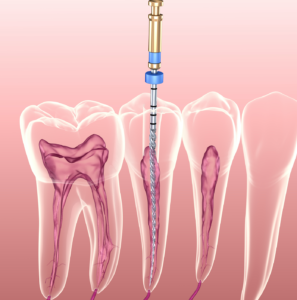
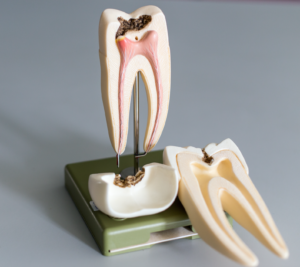 A root canal requires one or more office visits and can be performed by a general dentist or an endodontist. An endodontist is a dentist who specializes in the diagnosis and treatment of diseases and injuries of the dental pulp or the nerve of the tooth. Our office is very experienced in performing root canal therapy, so we do them regularly. We do refer to endodontists for more complicated cases.
  Q: Any suggestions for starting off the New Year on the right foot?
 There are a number of things that can cause a whitish coating or white spots to develop on the tongue, including:
 There are multiple factors that can cause a normally pink tongue to turn red. In some instances, the tongue may even take on the appearance of a strawberry with enlarged, red taste buds dotting the surface. Possible causes include:
 Though often hailed as “the strongest muscle in the body,” the tongue is made up of a group of muscles that allow us to taste food, swallow, and talk. A healthy tongue is pink and covered with small nodules called papillae.